7 Simple Car Checks Every Driver Should Know
You don't need to be a mechanic to understand the basics of your own car. Here are seven simple checks that almost anyone can learn to do.
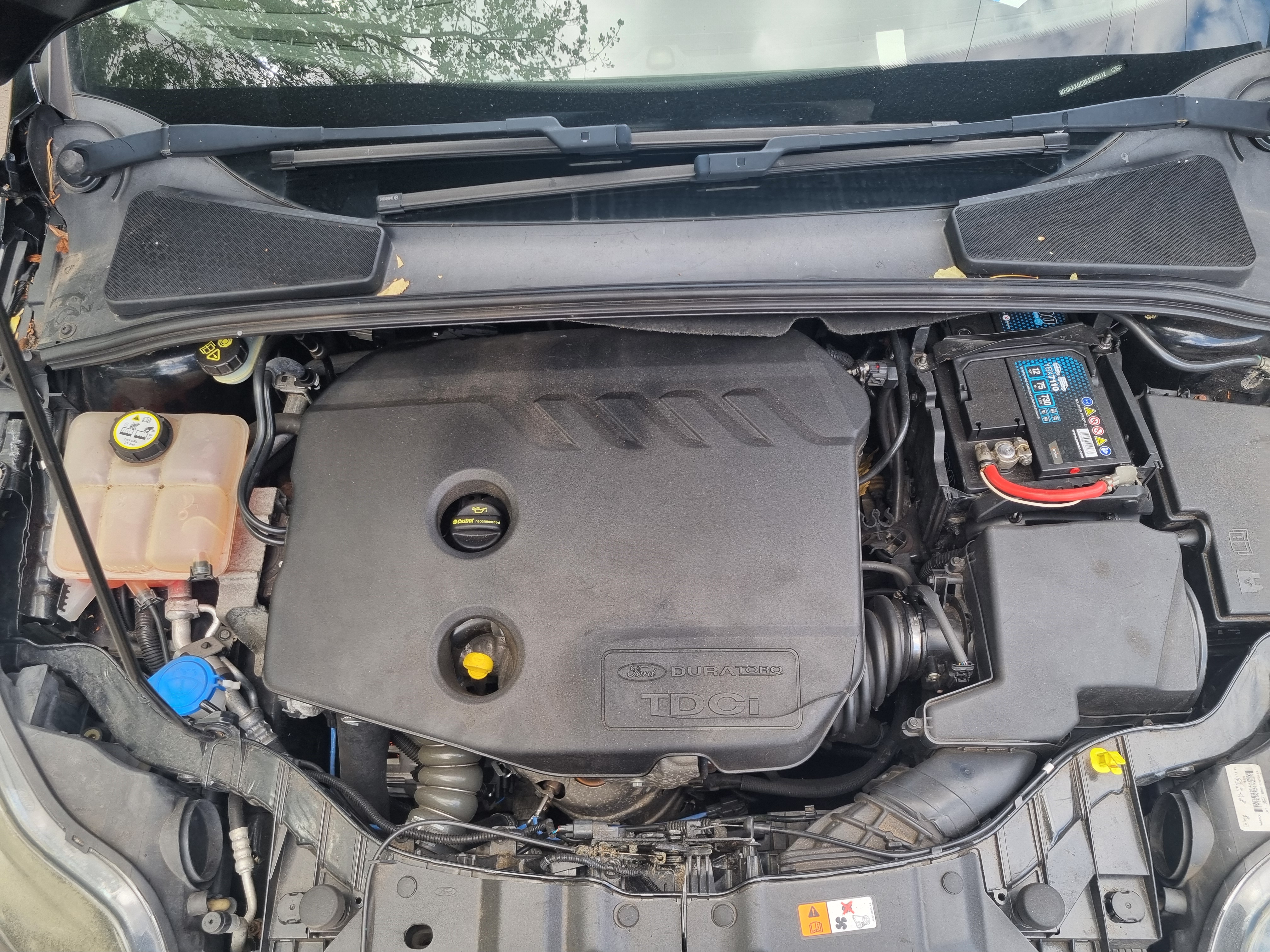
There are a few simple checks that almost anyone can learn to do, and knowing how to perform them could help you spot a problem before it becomes a bigger one.
Whether you've just passed your test, never had anyone show you what everything under the bonnet does, or simply want to become more confident with your car, here's where to start.
How to open your bonnet
Before you can check most of the things under the bonnet, you need to know how to open it.
The bonnet release is usually found somewhere inside the car, often around the driver's footwell or underneath the dashboard. It will normally have a small symbol showing an open bonnet.
Pull the lever and you should hear the bonnet release.
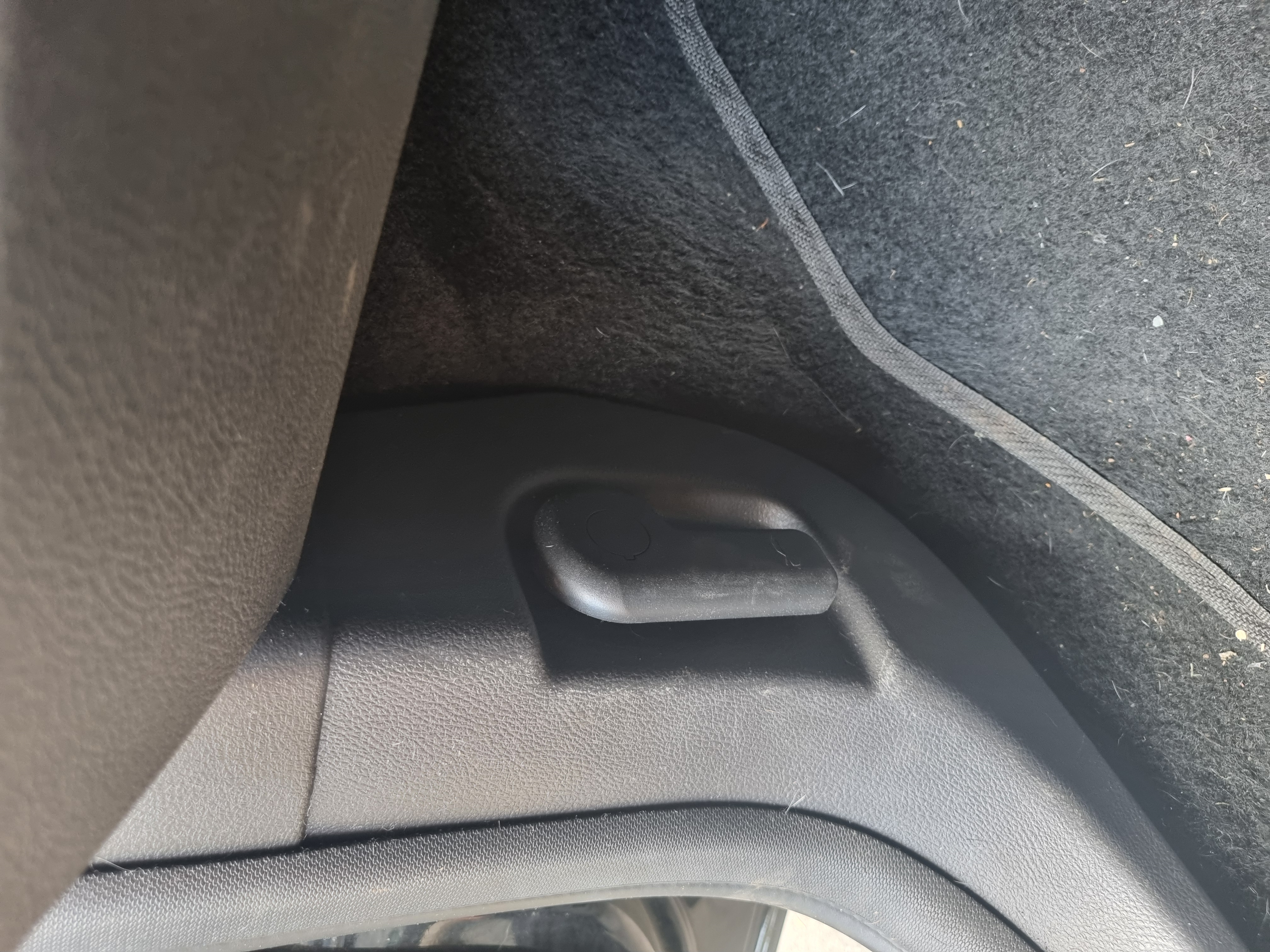
You'll then need to go to the front of the car and find the secondary safety catch, usually underneath the front edge of the bonnet.
Different cars use different systems, so if you can't find the release or aren't sure how it works, check your vehicle handbook rather than forcing anything.
Never put your hands into a running engine or near moving components. Belts, fans and other parts can move unexpectedly.
Check your tyre pressures
Your tyres are one of the most important things connecting your car to the road, so keeping them at the correct pressure is essential.
The recommended pressure for your car can usually be found on a sticker inside the driver's door or door frame. You can also find it in your vehicle handbook.
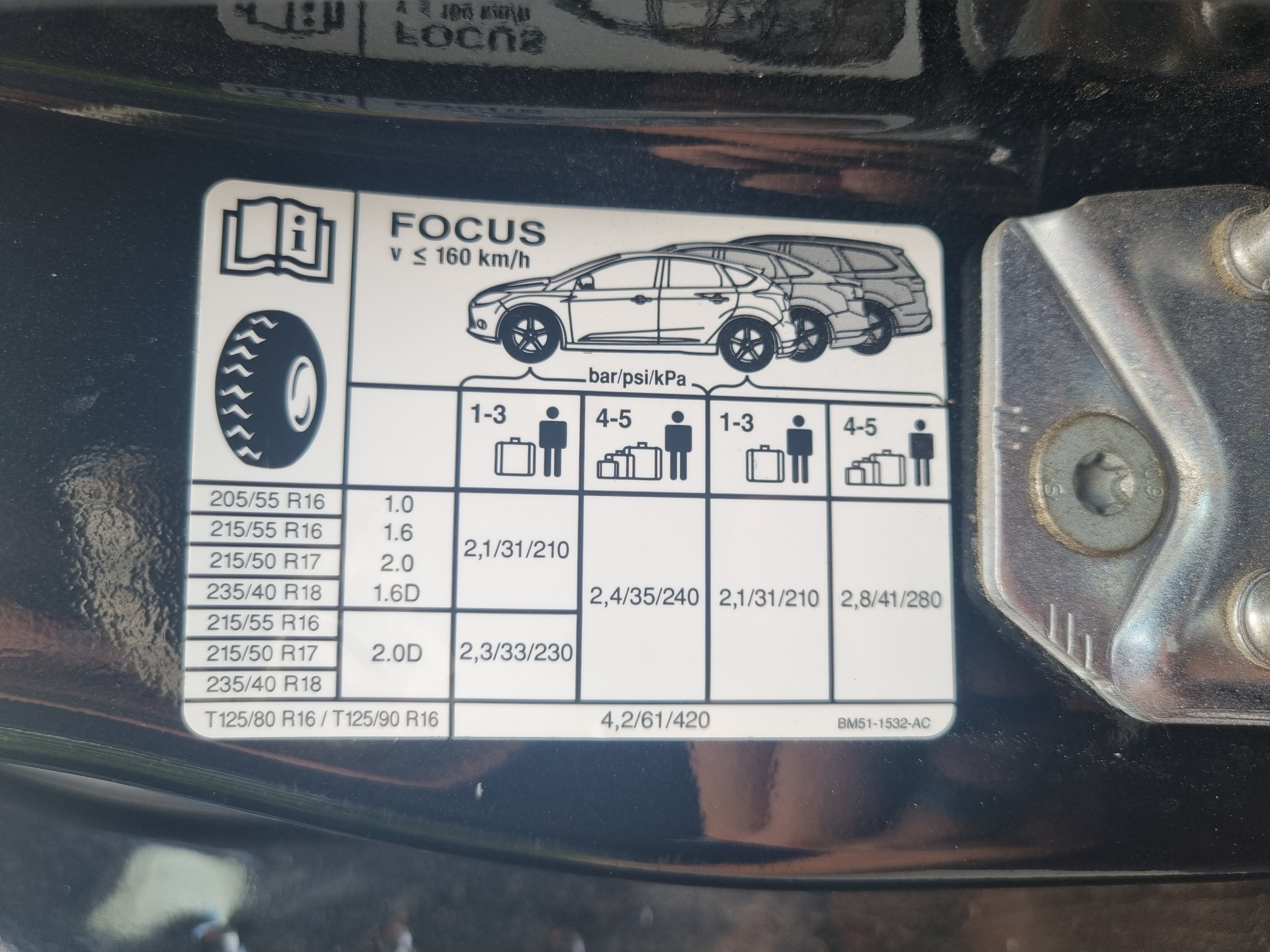
Check inside the driver's door or door frame first. Your vehicle handbook should also contain the recommended pressures.
You may find that the recommended pressure is different depending on how heavily the car is loaded, so check the information for your particular vehicle.
It's best to check your pressures when the tyres are cold where possible.
Don't confuse these numbers
You will also see numbers printed on the side of the tyre. These aren't necessarily the pressure you should put in your tyres.
The manufacturer's recommended pressure for your vehicle is the number you want to use.
Know what size tyres you have
Your tyre size is written on the sidewall of the tyre.
205 / 55 R 16 91V
This might look like a random collection of numbers and letters, but it actually tells you quite a lot.
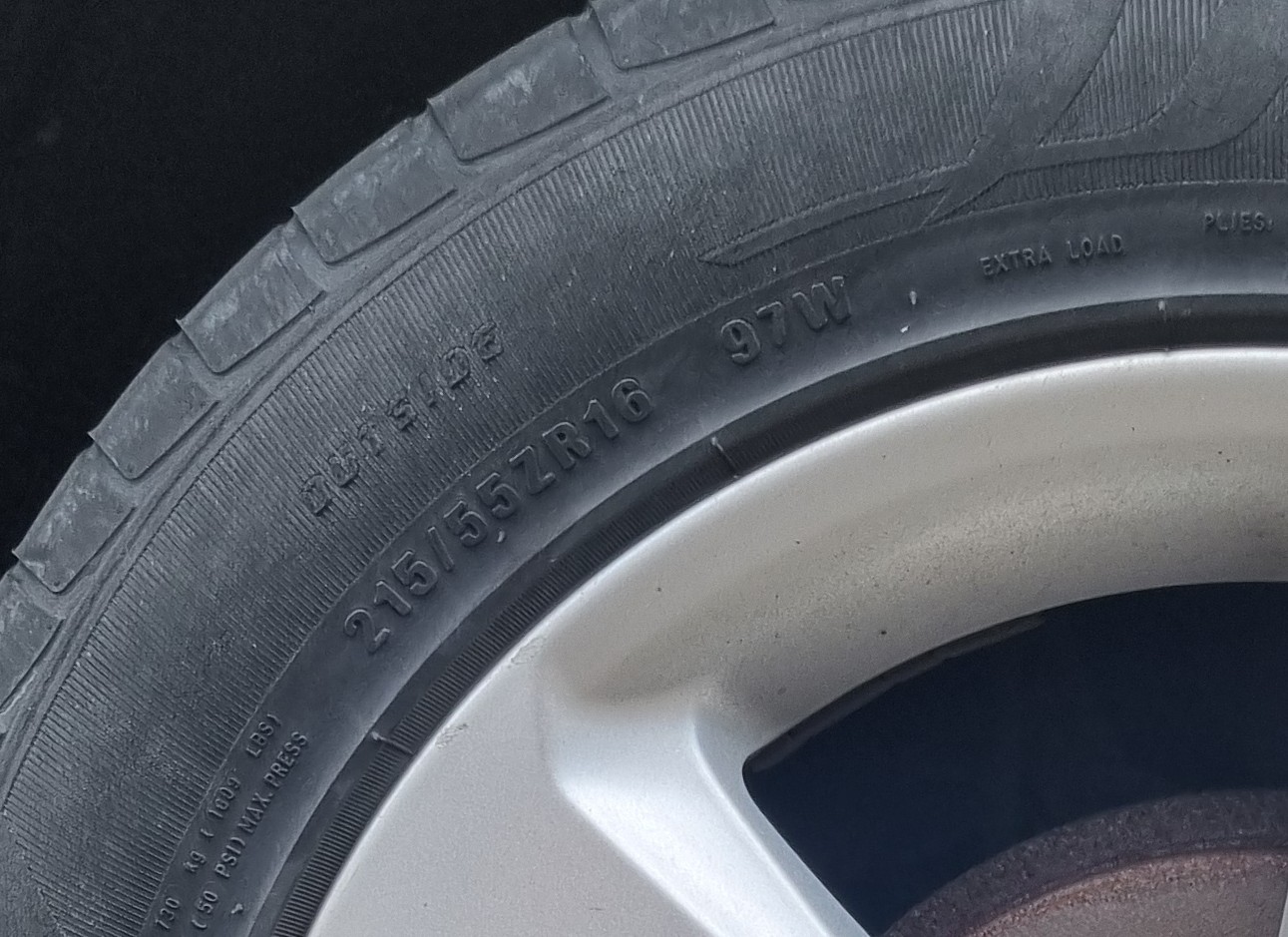
You don't necessarily need to memorise all of this, but knowing where to find your tyre size is useful when buying replacement tyres or talking to a garage.
Check your screenwash
This is one of the easiest checks you can make.
Under the bonnet you'll usually find a screenwash reservoir with a cap showing a windscreen and water spray symbol.
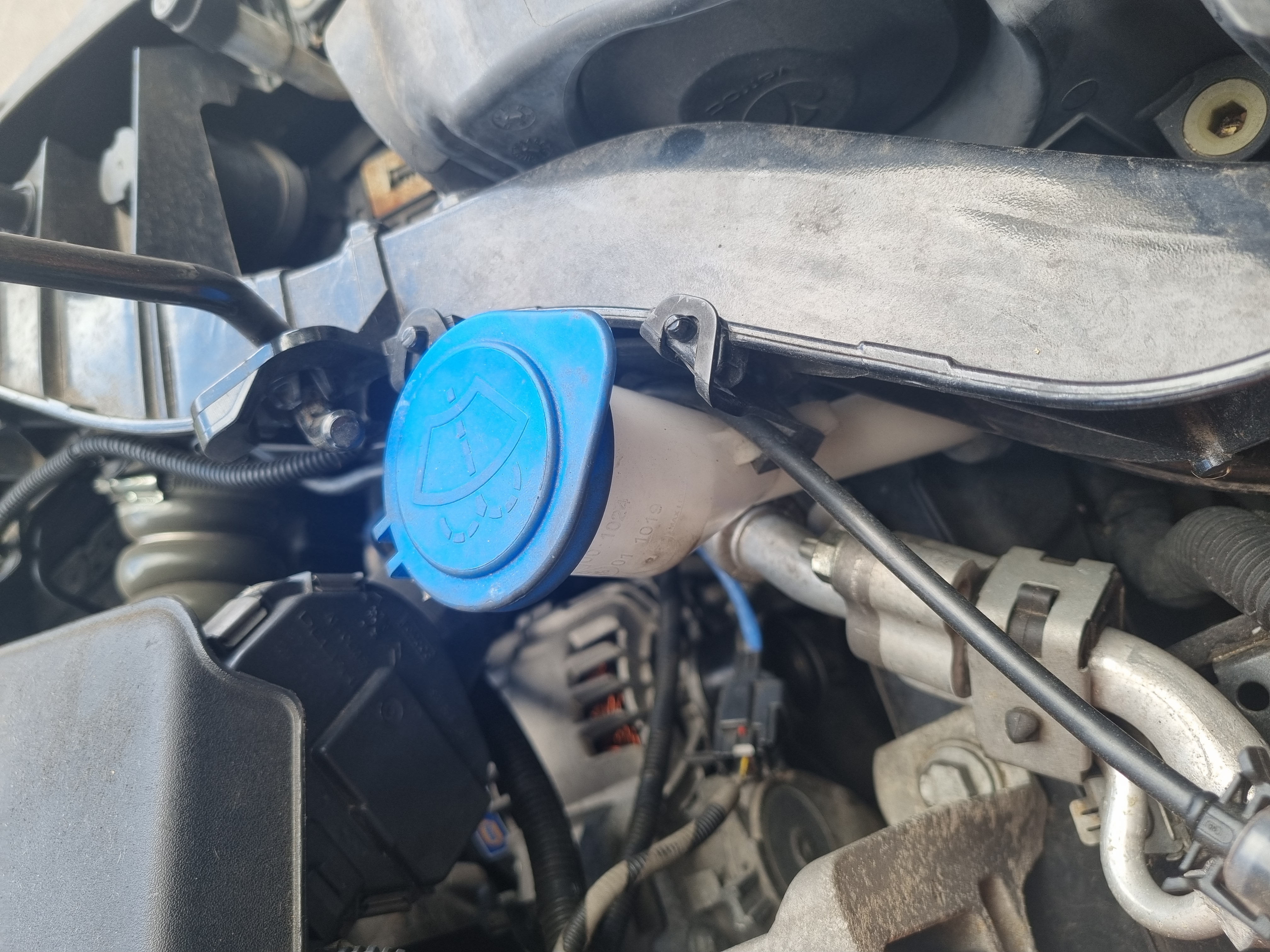
Check the level and top it up with suitable screenwash when necessary.
It might seem like a minor thing, but being able to keep your windscreen clean is important for visibility — particularly in winter when roads are dirty and salty.
Check your coolant
Your car's cooling system prevents the engine from overheating.
The coolant expansion tank will normally have MIN and MAX markings on it. When the engine is cold, check that the level is between these marks.
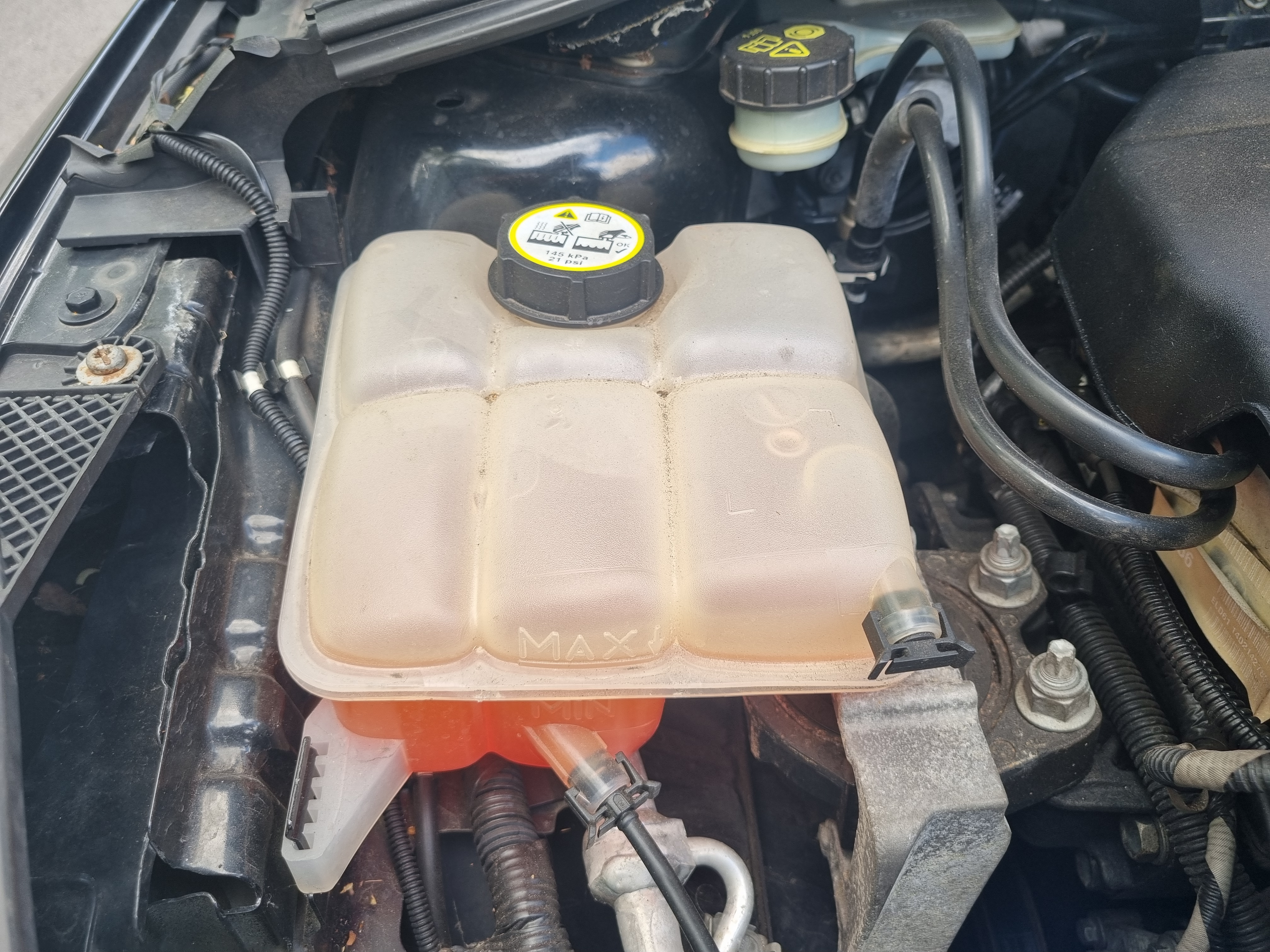
Never remove the coolant reservoir cap when the engine is hot. The cooling system can become pressurised and the coolant can be extremely hot.
If you're unsure whether the engine is cool enough, leave it alone and ask someone who knows what they're doing to check it.
If you're regularly having to top up your coolant, don't just keep adding more. A cooling system that is repeatedly losing coolant needs investigating.
Learn what the warning lights mean
Your dashboard is constantly giving you information about what's happening with your car.
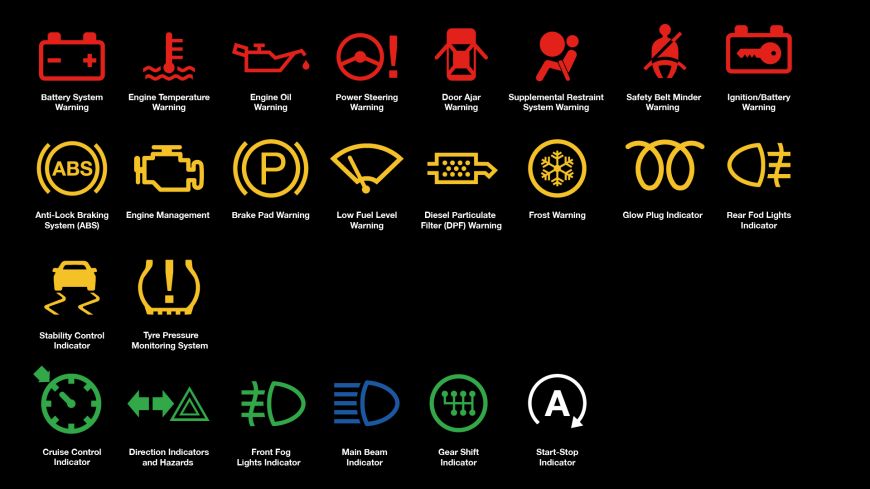
When you switch the ignition on, you may see several warning lights illuminate. Many of these will disappear once the engine starts as part of the vehicle's normal system checks.
But if a warning light stays illuminated or appears while you're driving, you need to know what it means.
A good habit is to spend a few minutes looking through your vehicle handbook and learning what the warning lights on your particular car mean.
Don't ignore a warning light simply because the car still appears to be driving normally.
Check your engine oil
If your car has a traditional oil dipstick, checking the engine oil is another simple skill worth learning.
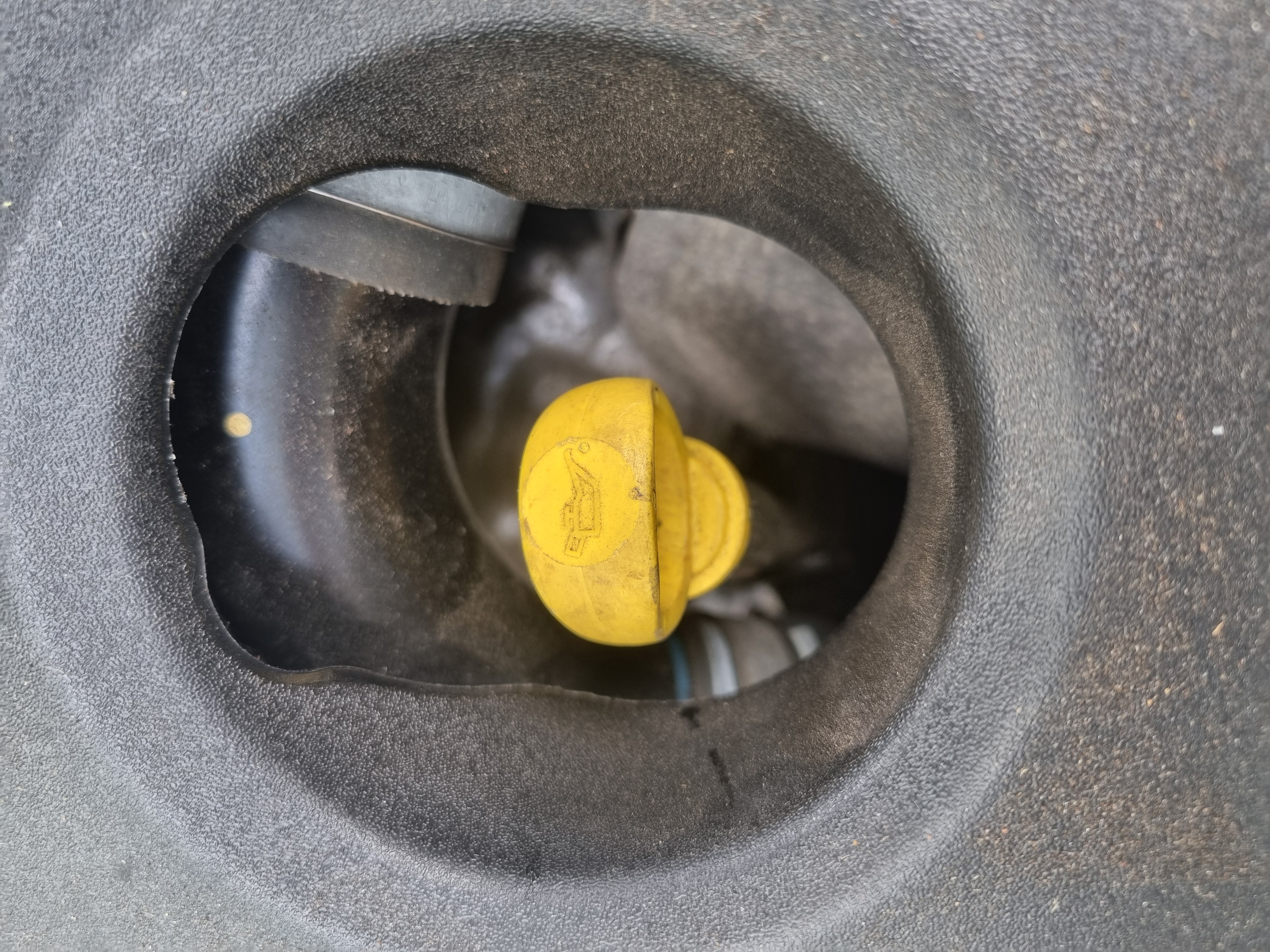
Park the car on level ground and follow your vehicle manufacturer's instructions for checking the oil.
Checking the oil
- Locate the oil dipstick.
- Remove it and wipe it clean.
- Put it fully back into the tube.
- Remove it again.
- Look at the markings on the end of the dipstick.
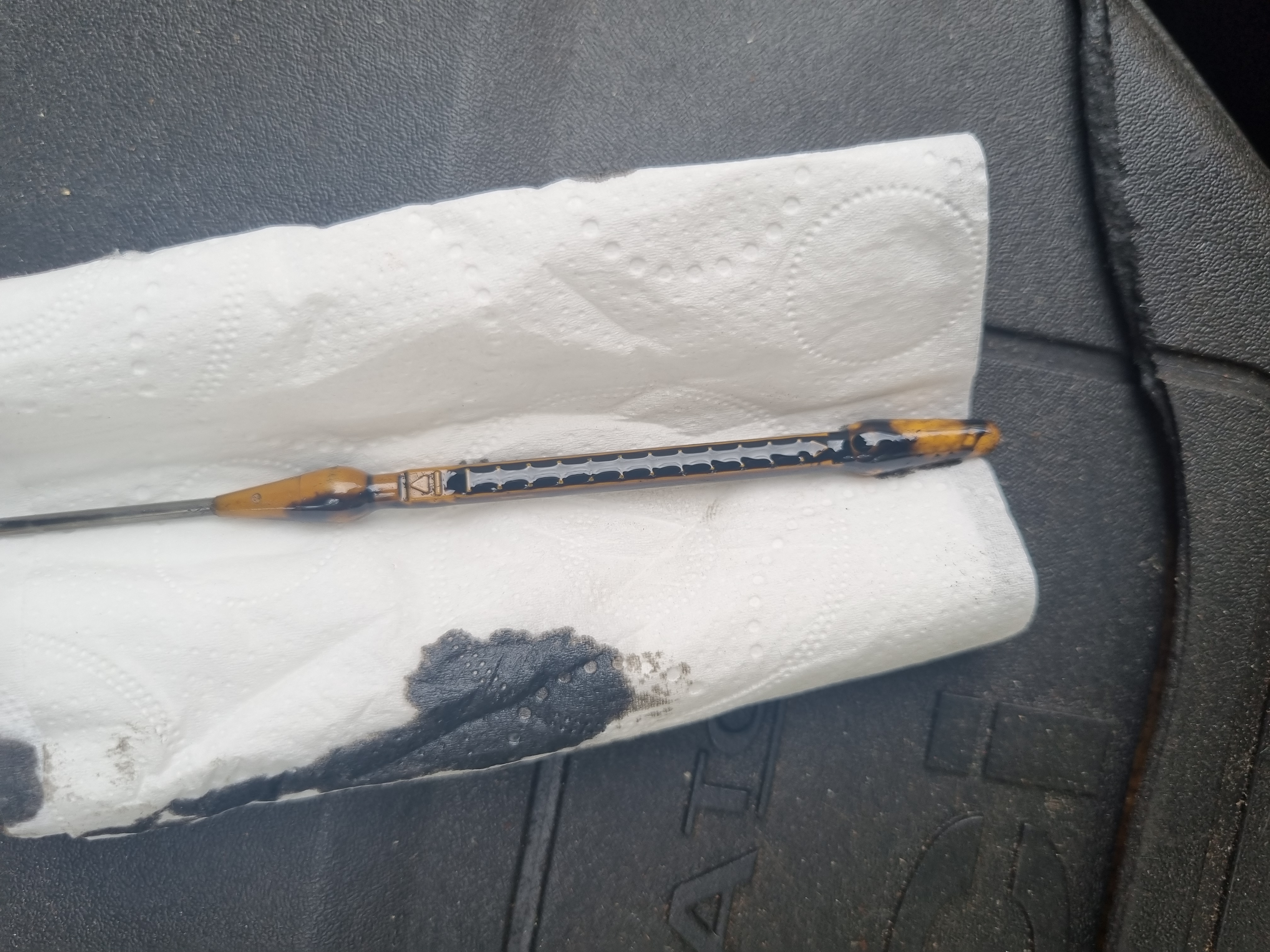
The oil should normally be between the MIN and MAX marks.
If it's low, use the correct oil specified for your vehicle and add it gradually, checking the level as you go.
Don't overfill it
Having too little oil can cause serious engine damage, but too much oil can also cause problems.
Some modern cars don't have a traditional dipstick and instead measure the oil level electronically, so check your handbook if you can't find one.
You don't need to be a mechanic
Knowing how to perform these checks doesn't mean you need to start repairing your own car.
The point is simply to understand what your car is telling you.
If you know how to check your tyres, fluids, oil and warning lights, you're much more likely to notice when something isn't right.
Your car doesn't expect you to be a mechanic. But understanding the basics can help you look after it, spot problems earlier and know when it's time to ask for help.